Several hundred perspectives on the questions facing payers, providers, biopharma, medtech, and digital health — plus our running read on the clinical literature. Start with our sharpest work, or filter to your world.
An opinionated take on NEJM highlights for Q3 of 2026
By
Marc Herant
NEJM
Payer studies of cheaper biologics, lentiviral in vivo CAR-Ts, new hope for COPD patients, base-editing PCSK-9, ADCs for SCLC, and the Rolls-Royce of data packages (or the holy grail?). Much to reflect on this quarter.
Read more
Why the Best AI Won’t Win in Healthcare
By
Nikhil Bhojwani
Biopharma
,
Payers
,
Providers
,
Medtech
,
Digital
As advanced AI becomes widely accessible, healthcare companies can no longer rely on superior technology alone for lasting advantage. Instead, they need a coherent AI strategy built around five interconnected choices. Harvard Business Review article.
Read more
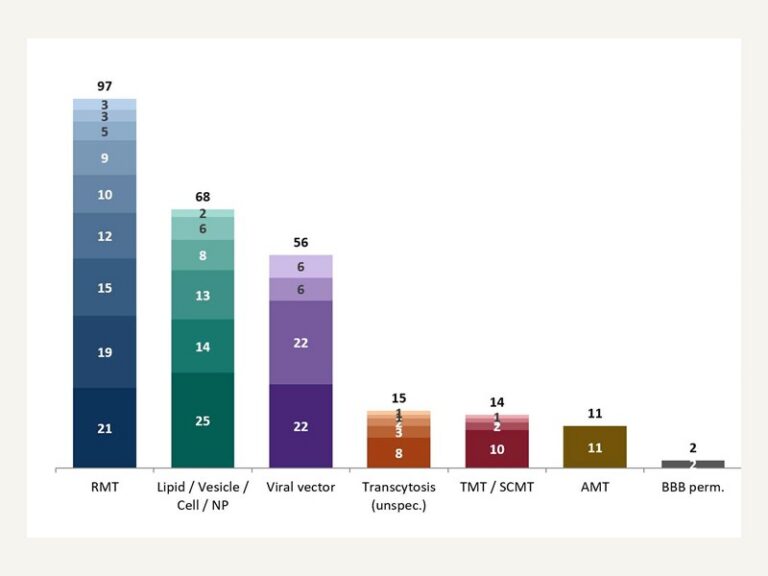
Emerging blood-brain barrier drugs in development
By
Martha Deja, Nicholas Buhay, Marc Herant, and Jason Brauner
Biopharma
Despite the historical difficulty in designing therapeutics that cross the BBB, Denali’s landmark approval could signal an inflection point for the BBB-crossing therapeutic pipeline.
Read more
An opinionated take on NEJM highlights for Q2 of 2026
By
Marc Herant
NEJM
Peeved by AI
A perspective on Utah’s much reported experiment allowing…
Read more
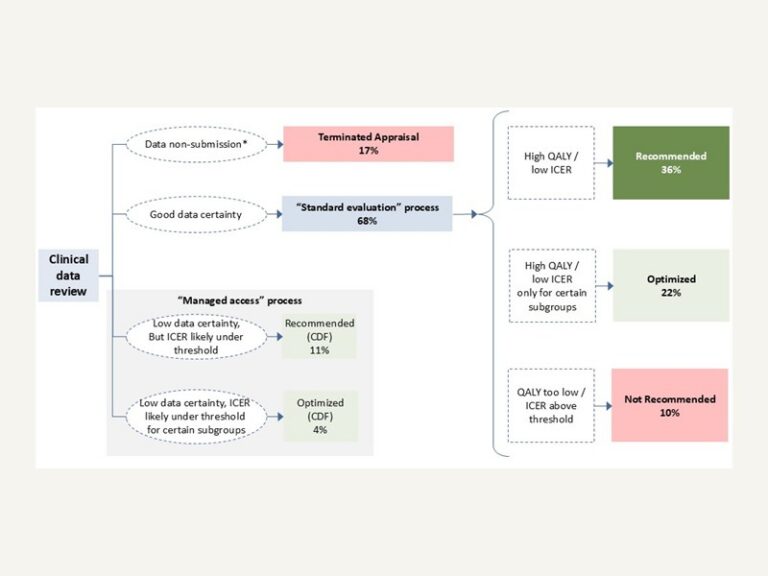
Outcomes Based Arrangements in Biopharma
By
Lilian Zhang, Tory Wolff, and Jason Brauner
Biopharma
,
Payers
,
Institutional
Today’s advanced therapies target devastating diseases with high unmet need. Given the urgent medical need (and pressure from patient advocates), regulators increasingly must make decisions based on early, incomplete data when it comes to durability, real-world effectiveness, and cost-effectiveness – all while bearing costs that can exceed $1 million per patient.
Read more
An opinionated take on NEJM highlights for Q1 of 2026
By
Marc Herant
NEJM
What to do with an astonishing finding?
Once in a long while, a paper…
Read more
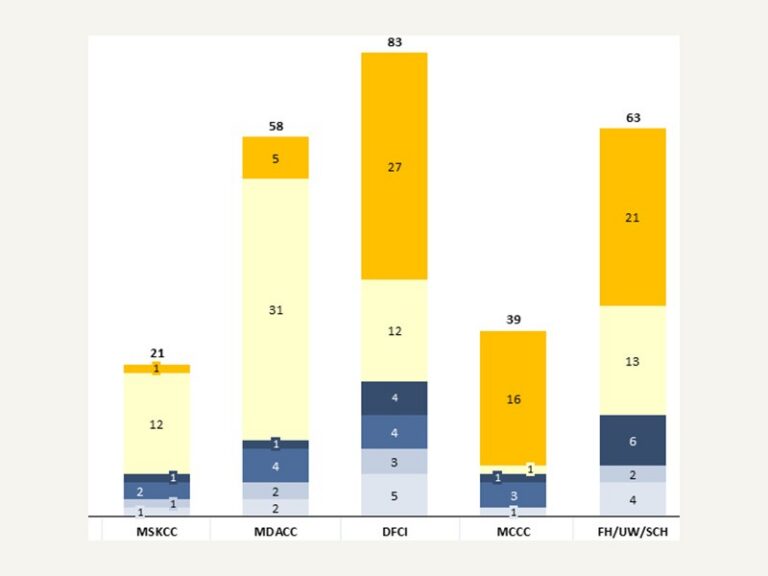
Survivorship Is Expanding Cancer Care — How Are Oncology Providers Responding?
By
Megna Srinivasan, Jason Brauner, and Tory Wolff
Providers
,
Digital
Survivorship care is increasingly pivotal to cancer care delivery and …
Read more
An opinionated take on NEJM highlights for Q4 of 2025
By
Marc Herant
NEJM
Looking for zebras
“When you hear hoofbeats, think of horses, not zebr…
Read more
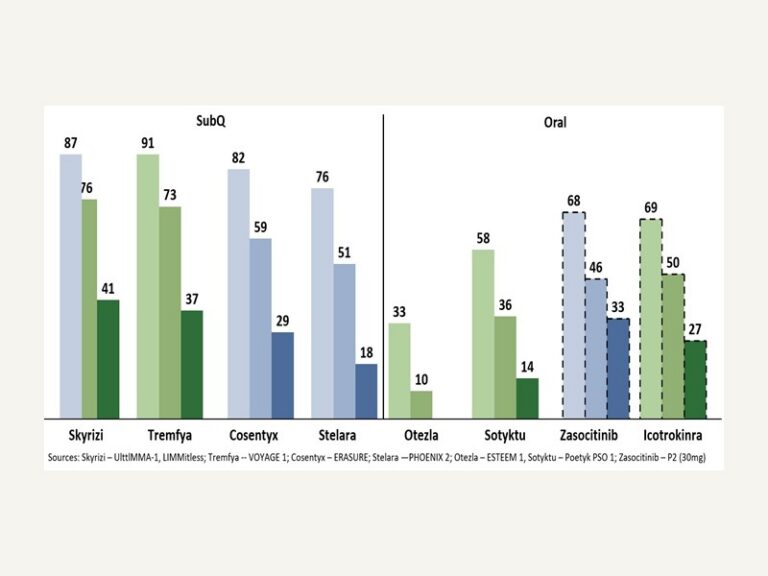
Winning on route of administration isn’t enough – lessons from Sotyktu
By
Jason Brauner, Phil Berk, and Lilian Zhang
Biopharma
The psoriasis story demonstrates that oral convenience may only compensate for modest efficacy gaps. Next-generation products in competitive market segments must deliver on a combination of efficacy, reduced adverse events, improved patient convenience and payer coverage in order to meaningfully win market share.
Read more
SELECTED ENGAGEMENTS
Insight, put to work
Our published thinking is one half of the picture. These are representative client engagements, anonymized — each tagged by sector, so you can trace the path from perspective to practice.
Institutional
Strategy for Statewide Health Information Exchange
A non-profit health information exchange was facing financial struggles and needed a new strategy that would keep it financially sustainable
HIE, Health IT,
Medtech, Early Stage
Growth strategy for point-of-care testing
Post pandemic an innovative diagnostics platform company wanted to dramatically increase its market by targeting retail clinics for its point-of-care diagnostics platform
Growth, product market fit, value proposition
Institutional
University Trials
Large university wanting to dramatically increase its clinical research footprint